
Within the bustling halls of an NHS hospital in Birmingham, a young man named James Stokes carries himself with the measured poise of someone who has found his place. His oxford shoes barely make a sound as he greets colleagues—some by name, others with the familiar currency of a "how are you."

James wears his NHS lanyard not merely as a security requirement but as a symbol of acceptance. It rests against a well-maintained uniform that betrays nothing of the tumultuous journey that led him to this place.
What separates James from many of his colleagues is not obvious to the casual observer. His presence reveals nothing of the fact that he was among the first participants of the NHS Universal Family Programme—an initiative crafted intentionally for young people who have experienced life in local authority care.
"I found genuine support within the NHS structure," James explains, his voice measured but tinged with emotion. His remark encapsulates the heart of a programme that seeks to transform how the enormous healthcare system views care leavers—those often overlooked young people aged 16-25 who have transitioned from the care system.
The numbers tell a troubling story. Care leavers commonly experience higher rates of mental health issues, financial instability, housing precarity, and reduced scholarly attainment compared to their peers. Beneath these cold statistics are individual journeys of young people who have traversed a system that, despite good efforts, regularly misses the mark in providing the supportive foundation that shapes most young lives.
The NHS Universal Family Programme, established in January 2023 following NHS England's commitment to the Care Leaver Covenant, signifies a significant change in systemic approach. At its core, it recognizes that the entire state and civil society should function as a "universal family" for those who haven't known the constancy of a conventional home.
A select group of healthcare regions across England have charted the course, creating structures that rethink how the NHS—one of Europe's largest employers—can open its doors to care leavers.
The Programme is detailed in its methodology, starting from thorough assessments of existing procedures, creating governance structures, and obtaining leadership support. It acknowledges that successful integration requires more than good intentions—it demands tangible actions.
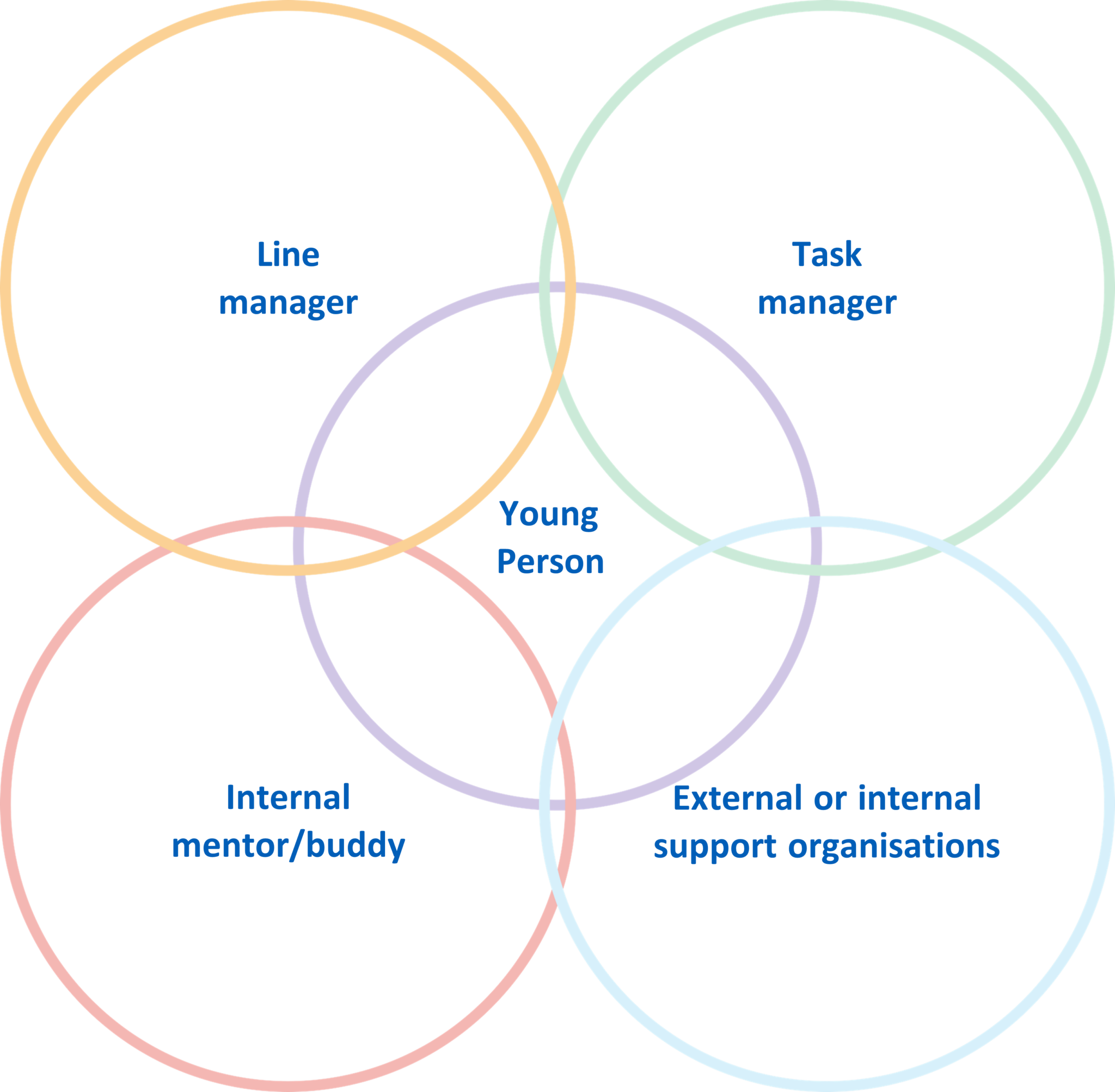
In NHS Birmingham and Solihull ICB, where James found his footing, they've developed a consistent support system with representatives who can provide help and direction on personal welfare, HR matters, recruitment, and EDI initiatives.
The traditional NHS recruitment process—rigid and often daunting—has been thoughtfully adapted. Job advertisements now emphasize attitudinal traits rather than extensive qualifications. Application processes have been reconsidered to accommodate the specific obstacles care leavers might experience—from not having work-related contacts to facing barriers to internet access.
Possibly most crucially, the Programme understands that starting a job can present unique challenges for care leavers who may be navigating autonomy without the support of familial aid. Matters like commuting fees, proper ID, and bank accounts—assumed basic by many—can become major obstacles.
The brilliance of the Programme lies in its meticulous consideration—from explaining payslip deductions to helping with commuting costs until that essential first salary payment. Even seemingly minor aspects like break times and professional behavior are carefully explained.
For James, whose professional path has "transformed" his life, the Programme delivered more than work. It gave him a sense of belonging—that elusive quality that develops when someone is appreciated not despite their history but because their distinct perspective improves the institution.
"Working for the NHS isn't just about doctors and nurses," James notes, his gaze showing the subtle satisfaction of someone who has found his place. "It's about a family of different jobs and roles, a group of people who truly matter."
The NHS Universal Family Programme embodies more than an job scheme. It stands as a bold declaration that organizations can evolve to welcome those who have experienced life differently. In doing so, they not only transform individual lives but improve their services through the distinct viewpoints that care leavers contribute.
As James moves through the hospital, his involvement silently testifies that with the right help, care leavers can succeed in environments once thought inaccessible. The support that the NHS has extended through this Programme represents not charity but appreciation of overlooked talent and the fundamental reality that all people merit a community that believes in them.