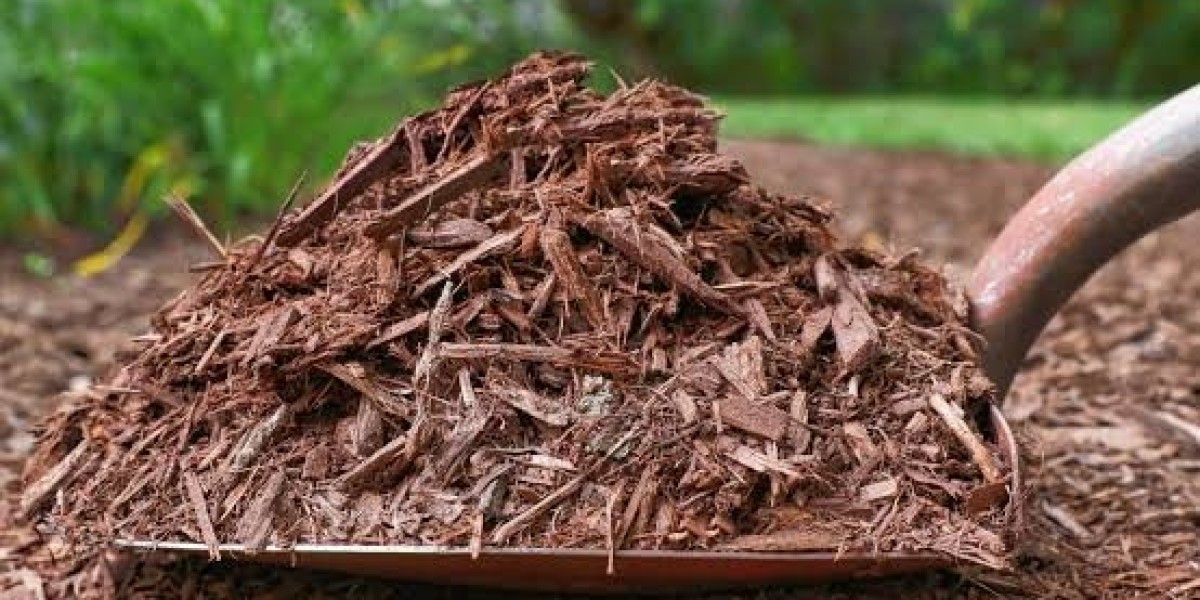
Soil Improvement: Organic mulches like compost, shredded leaves, or aged wood chips enrich the soil as they break down, adding nutrients and improving soil structure.
Weed Suppression: Mulch helps block sunlight, preventing weed seeds from germinating and reducing weed growth.
Moisture Retention: Mulch helps retain soil moisture by reducing evaporation, which is particularly helpful in dry climates.
Temperature Regulation: Mulch can help regulate soil temperature, keeping roots cooler in the summer and warmer in the winter.
Aesthetics: Mulch enhances the visual appeal of your garden. Choose a color and texture that complements your plants and overall landscape design.
Plant Type:
Acid-loving plants: Pine needles or cedar mulch can be beneficial for plants like azaleas and blueberries.
Vegetables: Compost and shredded leaves can be excellent choices for vegetable gardens.
Climate:
Hot and dry: Mulches that retain moisture, like wood chips or bark, are ideal.
Wet: Gravel or stone mulches can provide good drainage.
Budget:
Consider the cost of different mulch materials and whether you prefer to buy them or make your own with materials like grass clippings or shredded leaves.
Maintenance:
Organic mulches require more frequent replenishment as they decompose. Inorganic mulches like gravel or stone offer longer-lasting coverage.