Jump Start Issues Caused by Loose Ground Cables: What Drivers Should Know
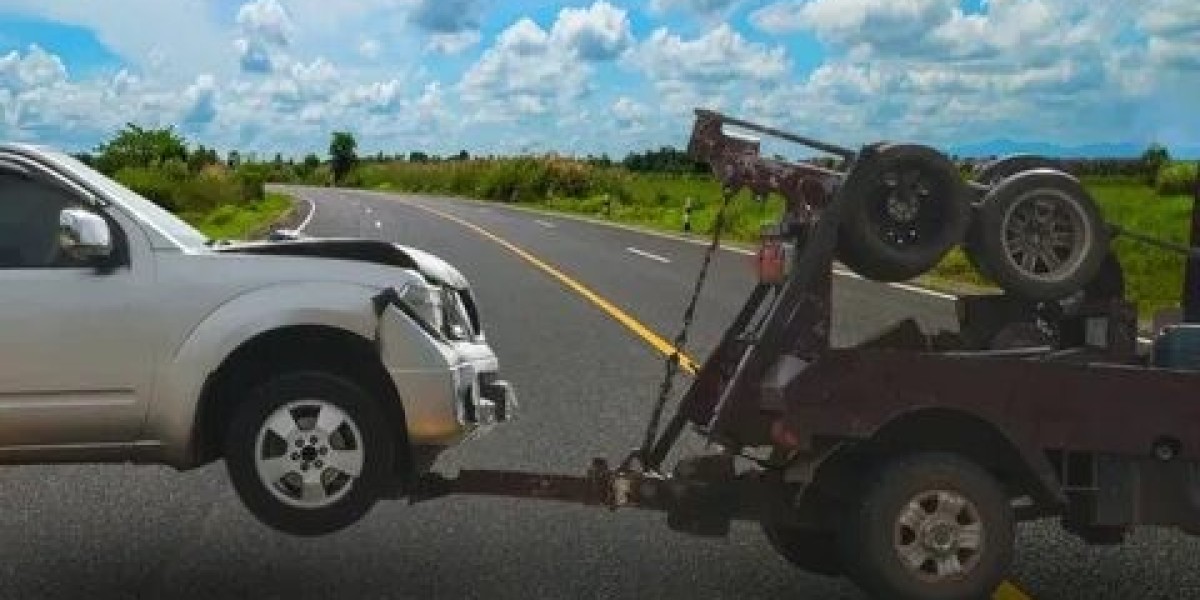
A car that refuses to start can be frustrating, especially when the battery seems to be working normally. Many drivers assume the battery is dead and immediately try a jump start. However, the real problem may be a loose ground cable. This cable plays an important role in your car's electrical system, and a poor connection can prevent the engine from starting properly. Sometimes, the car may start after several attempts, while other times it may not respond at all. If the issue cannot be fixed at the roadside, professional car towing may be needed to transport the vehicle for proper inspection and repair.
What Is a Ground Cable in a Car?
A ground cable is an important part of a vehicle's electrical system. It connects the battery's negative side to the car's body or engine, helping electricity complete its path through the system.
Without a proper ground connection, important electrical parts may not receive the power they need to work correctly.
The starter motor, lights, sensors, and other electrical components depend on reliable electrical connections.
Why Ground Cables Matter
When you turn the key or press the start button, the starter motor needs a large amount of electrical power.
A loose or damaged ground cable can interrupt the electrical path and make it difficult for the starter to operate.
This may cause the engine to crank slowly, make clicking sounds, or fail to start.
Even a jump start may not work if the ground connection is too weak or damaged.
How Loose Ground Cables Cause Jump Start Problems
A loose ground cable can make a healthy battery appear weak or completely discharged.
This happens because electricity cannot travel properly through a poor connection.
Poor Electrical Contact
When a ground cable becomes loose, the connection between the cable and the metal surface may become unreliable.
This can reduce the amount of current reaching the starter motor.
As a result, the vehicle may struggle to start even when the battery has enough charge.
Increased Electrical Resistance
A poor ground connection can create resistance in the electrical system.
Resistance makes it harder for electrical current to flow and may produce heat at the damaged connection.
If the problem becomes serious, it can affect several electrical components.
Why Extra Battery Power May Not Help
A jump start supplies outside electrical power to help a vehicle with a discharged battery start.
However, adding more power does not automatically fix a loose or damaged cable.
If the electrical path is interrupted, the starter may still fail to work.
This is why checking the connections is important before assuming the battery needs replacement.
Common Signs of a Loose Ground Cable
Ground cable problems can produce symptoms similar to battery or starter motor faults.
Knowing the warning signs can help drivers explain the issue when requesting roadside assistance.
1. Clicking Sounds When Starting
One common symptom is a clicking noise when trying to start the engine.
The starter may not receive enough electrical current because of a poor connection.
However, clicking can also happen because of a weak battery or faulty starter.
2. Slow Engine Cranking
The engine may turn over more slowly than usual.
This can happen when the ground connection cannot carry enough current for the starter motor.
If the problem continues, the vehicle may eventually refuse to start.
3. Flickering Dashboard Lights
A loose ground connection can sometimes cause dashboard lights to flicker or become unusually dim.
Other electrical accessories may also behave strangely.
These symptoms should not be ignored, especially when they appear alongside starting problems.
4. Intermittent Starting Problems
Sometimes, a vehicle starts normally in the morning but refuses to start later in the day.
A loose connection may work occasionally and fail at other times because of movement, vibration, or changes in temperature.
Repeated starting problems should be checked by a technician.
What Drivers Should Check Before Trying a Jump Start
Before attempting battery assistance, it is useful to look for obvious signs of electrical trouble.
Drivers should only perform visual checks when the vehicle is safely parked and the engine is switched off.
Inspect the Battery Area
Look around the battery for loose-looking connections, damaged cables, or visible corrosion.
White, blue, or green buildup near the battery terminals may indicate corrosion.
Do not touch damaged wiring or attempt to tighten electrical connections without the proper knowledge and equipment.
Look for Damaged Ground Cables
Some ground cables connect directly to the vehicle's body or engine.
If the cable appears broken, badly worn, or disconnected, professional attention is needed.
A damaged cable should be repaired or replaced rather than temporarily held in place.
Check for Battery Damage
Look for cracks, swelling, leaking fluid, or other visible signs of damage.
If the battery is damaged, do not attempt a jump start.
Contact a qualified roadside technician for assistance.
Why Visual Checks Are Not Always Enough
A ground cable may look normal from the outside but still have hidden corrosion or internal damage.
A mechanic can test the electrical connection to identify problems that are not visible.
How Professionals Diagnose Ground Cable Problems
Professional technicians use several checks to determine whether the ground cable is responsible for starting trouble.
Battery Testing
The technician may begin by checking the battery voltage and general condition.
A weak battery and a poor ground connection can produce similar symptoms, so testing helps identify the likely cause.
Checking Cable Connections
A technician inspects the battery terminals and ground points for looseness, corrosion, or damage.
They may also check whether the connections are secure and properly attached.
Measuring Voltage Drop
One useful test involves measuring the voltage lost across an electrical connection while it carries current.
A large voltage drop may indicate excessive resistance in a cable or connection.
This helps the technician locate the fault without replacing working parts unnecessarily.
If the vehicle cannot be repaired safely at its current location, car towing may be needed.
Can a Jump Start Fix a Loose Ground Cable?
Battery assistance may help when the battery is discharged, but it does not repair damaged electrical connections.
A jump start might work temporarily if the problem is mainly a weak battery and the ground connection is still reliable.
However, if the ground cable is loose or damaged, the vehicle may continue having starting problems.
When Battery Assistance May Be Suitable
A technician may consider battery assistance when:
The battery has a low charge.
The ground connections are secure.
No serious electrical damage is visible.
The vehicle is in a safe location.
The manufacturer's starting procedure can be followed.
Even if the engine starts, further testing may be needed to understand why the battery lost power.
When Professional Repair Is Needed
A loose or damaged ground cable should be repaired correctly.
Poor connections can cause repeated electrical problems and may become hot when carrying heavy current.
Drivers should avoid repeated starting attempts when they suspect a serious cable problem.
When Car Towing Is Needed for Electrical Problems
Not every starting problem can be solved at the roadside.
Sometimes, the vehicle needs more detailed electrical testing or replacement parts.
Professional car towing can help move the vehicle to a repair workshop when it cannot be driven safely.
Serious Cable Damage
If the ground cable is badly damaged, broken, or overheating, the vehicle should not be driven until the problem is repaired.
A recovery provider can transport it to a suitable workshop.
Repeated Starting Failure
If the vehicle refuses to start after professional inspection, further testing may be required.
The mechanic may need to inspect the starter motor, battery, ground cables, and charging system.
Electrical Problems While Driving
Loose ground connections can sometimes affect electrical systems while the engine is running.
If the vehicle develops serious electrical faults, loses power, or becomes unsafe to operate, stop in a safe location and request assistance.
Professional car towing helps avoid relying on an unreliable vehicle to reach the repair shop.
How Car Towing Professionals Handle Electrical Breakdowns
Roadside recovery operators often deal with vehicles that cannot start because of electrical faults.
They begin by understanding the problem and deciding whether roadside assistance or vehicle transport is appropriate.
Checking the Vehicle's Condition
The operator may ask whether the engine cranks, whether the dashboard lights work, and whether the battery has recently been replaced.
These details help identify the type of assistance required.
Choosing Suitable Recovery Equipment
If the vehicle cannot be driven, a suitable recovery truck can transport it to a repair workshop.
The operator selects a towing method based on the vehicle's design, condition, and manufacturer requirements.
Transporting the Vehicle Safely
Professional car towing services use appropriate loading and securing equipment to keep the vehicle stable during transport.
This allows the electrical problem to be inspected and repaired in a suitable workshop.
How to Prevent Loose Ground Cable Problems
Regular maintenance can help reduce the chances of unexpected starting issues.
Although ground cables are often overlooked, they are important for reliable vehicle operation.
Keep Battery Connections Clean
Corrosion can develop around battery terminals and electrical connections over time.
Have any buildup inspected and cleaned safely during regular servicing.
Check Cables During Routine Maintenance
Ask your mechanic to inspect battery cables and ground connections during vehicle servicing.
Loose fittings, worn insulation, and damaged cables should be addressed before they cause more serious problems.
Pay Attention to Early Warning Signs
Slow starting, flickering lights, and unusual electrical behaviour may indicate a developing fault.
Early inspection can help prevent roadside breakdowns.
Maintain the Battery
A healthy battery supports reliable starting and electrical operation.
Regular battery testing can reduce the chances of needing an unexpected jump start.
However, battery maintenance should also include checking the condition of its connections.
Common Mistakes Drivers Should Avoid
When a car refuses to start, some drivers make repeated attempts without understanding the problem.
This can waste time and sometimes make the situation worse.
Replacing the Battery Without Testing
A battery may appear faulty when the real problem is a loose ground connection.
Replacing the battery without checking the cables may not solve the issue.
Ignoring Intermittent Problems
If the vehicle starts normally after several failed attempts, it can be tempting to ignore the problem.
However, loose connections may fail again without warning.
Attempting Unsafe Repairs
Drivers should avoid handling damaged cables, exposed wiring, or leaking batteries.
Incorrect electrical work can cause sparks, burns, or damage to vehicle components.
Continuing to Drive With Electrical Faults
If the electrical system is unreliable, continuing to drive may leave the vehicle stranded again.
When the vehicle cannot be operated safely, professional car towing is a practical recovery option.
Choosing the Right Roadside Assistance Service
When requesting assistance, explain the symptoms clearly.
Tell the provider whether the engine cranks, makes clicking noises, or shows unusual dashboard warnings.
Also mention if the battery was recently replaced or if the vehicle has had repeated electrical problems.
Questions to Ask Before Booking Assistance
Consider asking:
Can you inspect basic battery and starting problems?
Do you provide battery testing?
Can you check electrical cable connections?
Do you offer starting assistance?
Can you transport the vehicle to a repair workshop?
How are roadside assistance and recovery charges calculated?
A provider that offers both car towing and jump start services may be able to arrange suitable assistance based on the vehicle's condition.
Final Thoughts
Loose ground cables may seem like a small issue, but they can cause frustrating starting problems and affect important electrical systems. A weak connection can make a healthy battery appear faulty and may prevent the starter motor from working properly. A professional jump start can help when the battery is discharged, but it will not repair a damaged ground cable. If the vehicle cannot be restarted or driven safely, car towing can help transport it to a workshop for proper inspection. Regular battery checks, clean electrical connections, and early attention to warning signs can help drivers avoid unexpected breakdowns.