How Much Weight Can a Tile Lifting Frame Safely Support?
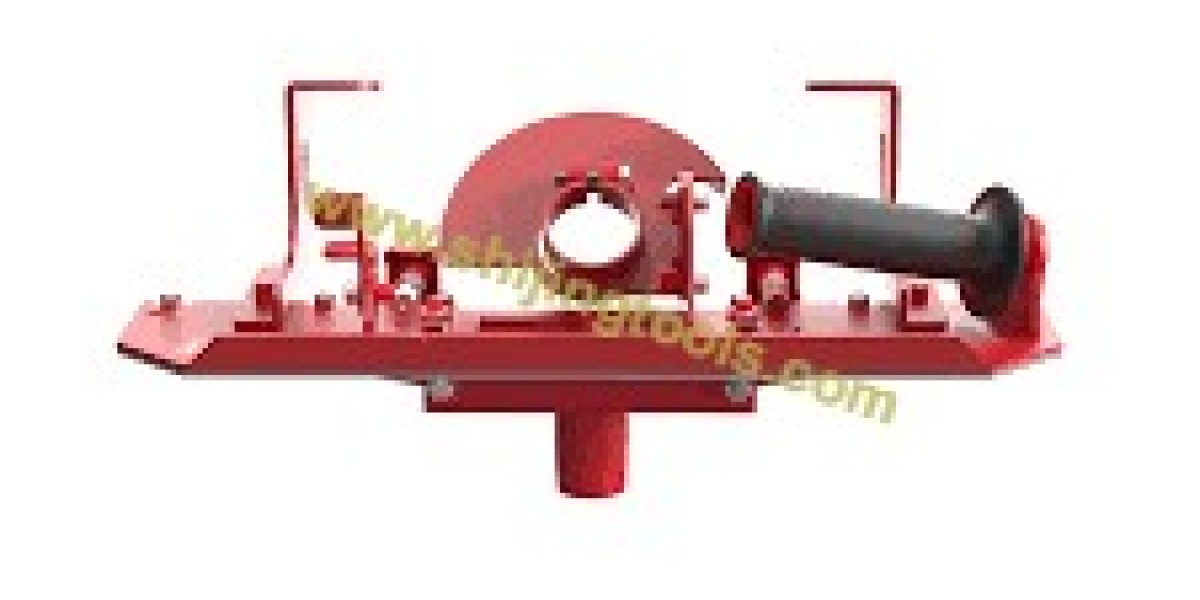
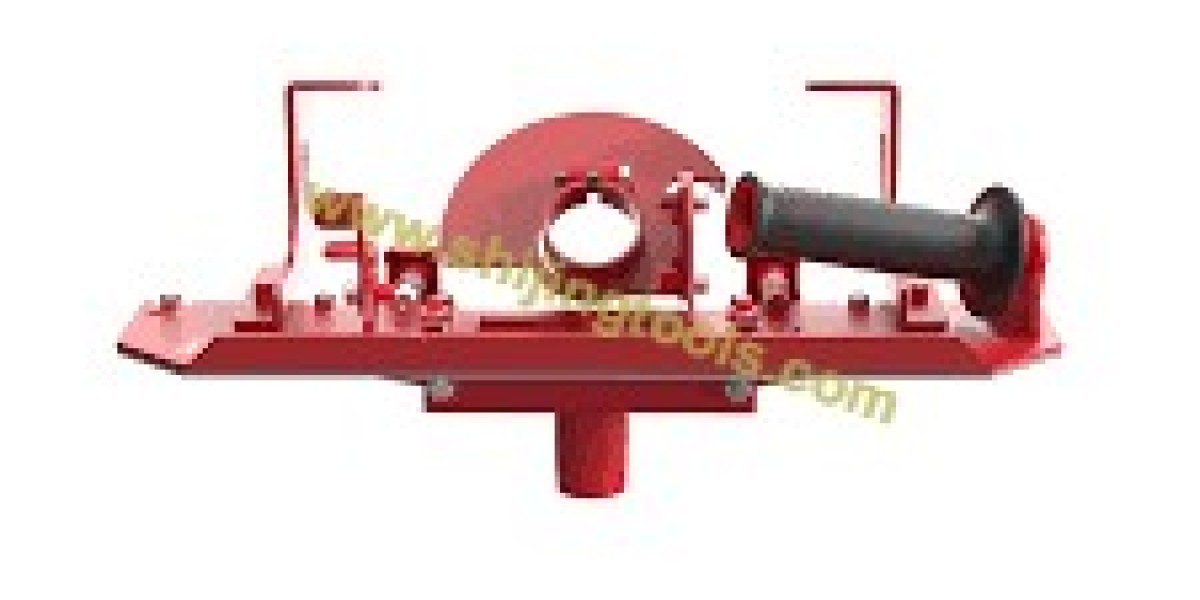
A Tile Lifting Frame is designed to help workers handle large, heavy, or delicate tiles during transportation and installation, but its safe working capacity depends on the specific model, frame structure, gripping system, and operating conditions. For contractors, tile distributors, and construction equipment buyers, understanding these factors is essential before selecting a suitable tool. Through its official website, shijingtools provides information about tile handling equipment and solutions for professional tiling work. Rather than judging a lifting frame by its appearance alone, how can buyers determine whether its rated capacity is appropriate for their intended applications?
What Determines the Safe Load Capacity?
The safe load capacity of a tile lifting frame depends on the strength of its structural components and the performance of its gripping mechanism. The frame must support the intended load while maintaining stability throughout lifting, movement, and positioning. Materials, joint construction, adjustment mechanisms, handles, and contact points all contribute to the equipment's overall performance.
The manufacturer's rated capacity is the starting point for evaluating a model. Buyers should check the technical specifications and operating instructions for the maximum permitted load, compatible tile dimensions, adjustment range, and any restrictions on use. A capacity rating applies to the specified product and operating conditions, so it should not be transferred to another model simply because the equipment looks similar.
The weight of a tile is only one part of the assessment. Its dimensions, thickness, material density, and center of gravity also affect handling. A large slab may distribute its weight across a wide surface, yet its length can create leverage that places additional demands on the frame and gripping points. A suitable tool must accommodate the complete tile geometry rather than just its total weight.
Buyers should also distinguish between the load rating of a complete lifting system and the capacity of an individual component. When a frame works with suction cups, support brackets, or a transport trolley, the operating limit depends on the compatible system configuration and the instructions provided for each component. The lowest applicable rated limit must be respected, and no component should be assumed to have the same capacity as another.
How Tile Dimensions Affect Lifting Safety
Tile dimensions can influence lifting stability as significantly as weight. Large format porcelain slabs, natural stone panels, and oversized ceramic tiles often require a carefully planned grip because their broad surfaces can flex or become vulnerable to uneven pressure. A frame that fits a small tile may not provide suitable support for a long panel, even when the two items weigh a similar amount.
The distance between gripping points, the frame's adjustable range, and the distribution of support across the tile surface are important selection considerations. If the gripping points are positioned incorrectly, the tile may shift, tilt, or place excessive stress on a localized area. Appropriate positioning helps distribute the load according to the equipment's design and reduces the chance of unwanted movement during handling.
Material characteristics also deserve attention. Porcelain, ceramic, and natural stone products differ in thickness, rigidity, surface texture, and resistance to localized pressure. A lifting arrangement suitable for one material may not be appropriate for another, especially when the surface is polished, textured, or susceptible to edge damage. Buyers should verify that the selected equipment is compatible with the material and finish being handled.
For large slabs, the planned route matters as well. Narrow passages, uneven flooring, changes in elevation, and installation areas with limited clearance can make movement difficult. Workers should consider the path from storage to the installation position before lifting the tile, ensuring that there is sufficient space to move and turn without striking surrounding objects.
Why the Gripping System Matters
A lifting frame relies on its gripping mechanism to maintain control of the tile during movement. Depending on the model, the design may use adjustable clamps, suction cups, protective contact surfaces, or a combination of compatible components. Each arrangement has specific operating requirements, so the user must understand how the mechanism is intended to engage with the tile.
For equipment using vacuum suction cups, the condition of the contact surface is particularly important. Dust, moisture, surface irregularities, or damaged sealing components may interfere with adhesion. The tile surface and suction pads should be inspected and prepared according to the manufacturer's instructions before the load is lifted. If the system includes a vacuum indicator or another monitoring feature, workers should follow the specified procedure for checking its status.
Mechanical clamps require appropriate adjustment and secure engagement. Excessive pressure may damage a delicate tile, while insufficient grip can allow movement during handling. Protective pads, when supplied as part of the design, should be kept clean and in usable condition. Workers should never modify the gripping arrangement or add unapproved components to increase the apparent capacity.
A frame should be used only for the purpose and loading direction specified by its manufacturer. Pulling, twisting, or lifting from an unintended angle can introduce forces that differ from those considered in the product's rated capacity. Following the prescribed operating method helps preserve control and reduces unnecessary stress on the equipment.
Practical Checks Before Every Lift
A pre-use inspection helps identify problems that could affect load security. Workers should examine the frame for visible deformation, cracks, loose fasteners, worn handles, damaged adjustment locks, and other signs of deterioration. Suction cups, seals, clamps, and protective contact surfaces should also be checked when they form part of the equipment.
The tile itself must be inspected before handling. Existing cracks, chipped edges, uneven surfaces, or concealed damage may affect its ability to withstand movement. A tile that appears intact may still require special care because its size and material characteristics can make it vulnerable to bending or localized stress. If the condition of the tile or lifting equipment is uncertain, the operation should be paused until the issue has been assessed.
The work area should be cleared of obstacles, and the people involved should understand their roles before the lift begins. Workers need enough space to maintain control of the tile, communicate during movement, and place it at the destination without sudden changes in direction. Heavy or oversized slabs may require a coordinated team or additional handling equipment, depending on the manufacturer's instructions and the conditions at the site.
A rated capacity should never be treated as a target that must be reached on every job. The actual load must remain within the stated limit, and any restrictions relating to tile dimensions, orientation, attachment points, or environmental conditions must be observed. Workers should not attempt to compensate for an unsuitable frame by relying on extra physical strength or improvised supports.
Choosing Equipment for Professional Tile Projects
Contractors and distributors should assess lifting equipment according to the work they regularly perform. Relevant factors include the typical tile dimensions, material types, handling frequency, transport distance, installation environment, and storage arrangements. A tool selected for occasional indoor work may have different practical requirements from equipment intended for frequent movement of oversized slabs across a busy construction site.
Product documentation is an important part of the purchasing process. Buyers should request the applicable load rating, compatible size range, operating instructions, maintenance recommendations, and information about replacement components. They should also clarify whether the stated capacity applies to the frame alone or to a complete system that includes suction cups and other accessories. These details help prevent incorrect assumptions when comparing products from different suppliers.
Adjustability can be useful when a team handles several tile formats, but a wider adjustment range does not automatically mean a higher load capacity. Each configuration must remain within the manufacturer's permitted settings. Buyers should consider whether the adjustment mechanism is easy to secure, whether the contact points can be positioned correctly, and whether the equipment can be transported and stored conveniently between jobs.
Maintenance planning also deserves consideration. Cleaning after use, checking fasteners, inspecting gripping components, and storing the equipment according to the instructions can help identify wear before the next operation. Any damaged component should be handled according to the manufacturer's guidance rather than repaired through an improvised modification that could compromise the system's intended performance.
For contractors and distributors evaluating tile handling equipment, SHIJING provides information about large format tile lifting solutions, including frame designs intended to support the movement of large tiles in construction and related work environments. Buyers can read the company's practical discussion at https://www.shijingtools.com to understand common handling challenges and consider which equipment characteristics match their projects. When contacting shijingtools about a potential purchase, it is useful to provide the tile dimensions, material, estimated weight, handling method, and working environment so the appropriate product specifications can be checked before an order is confirmed.