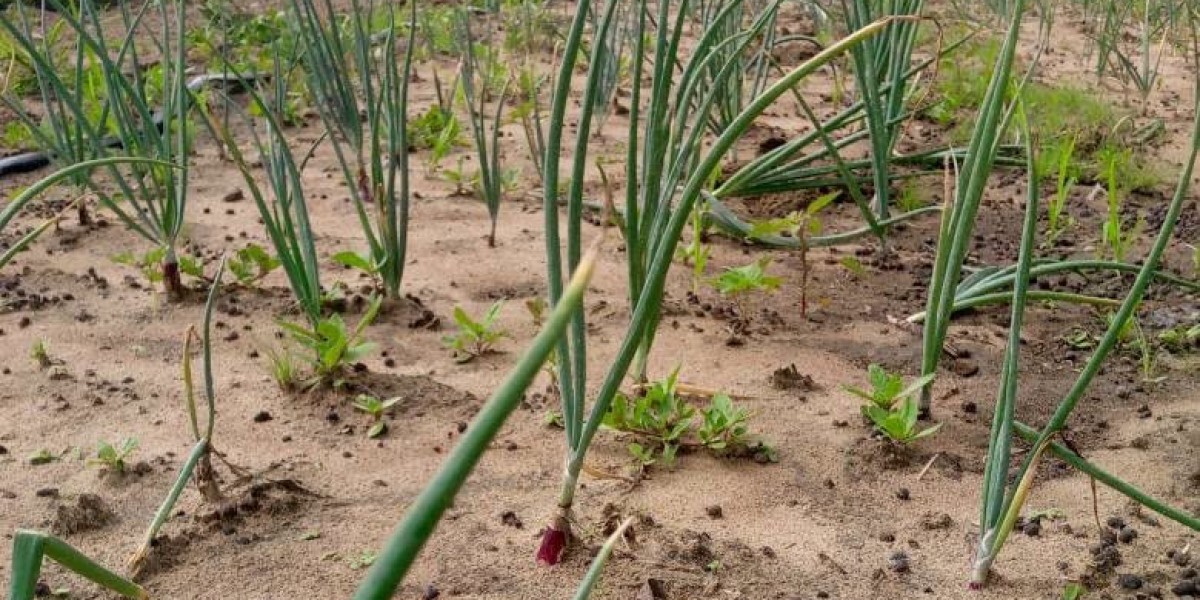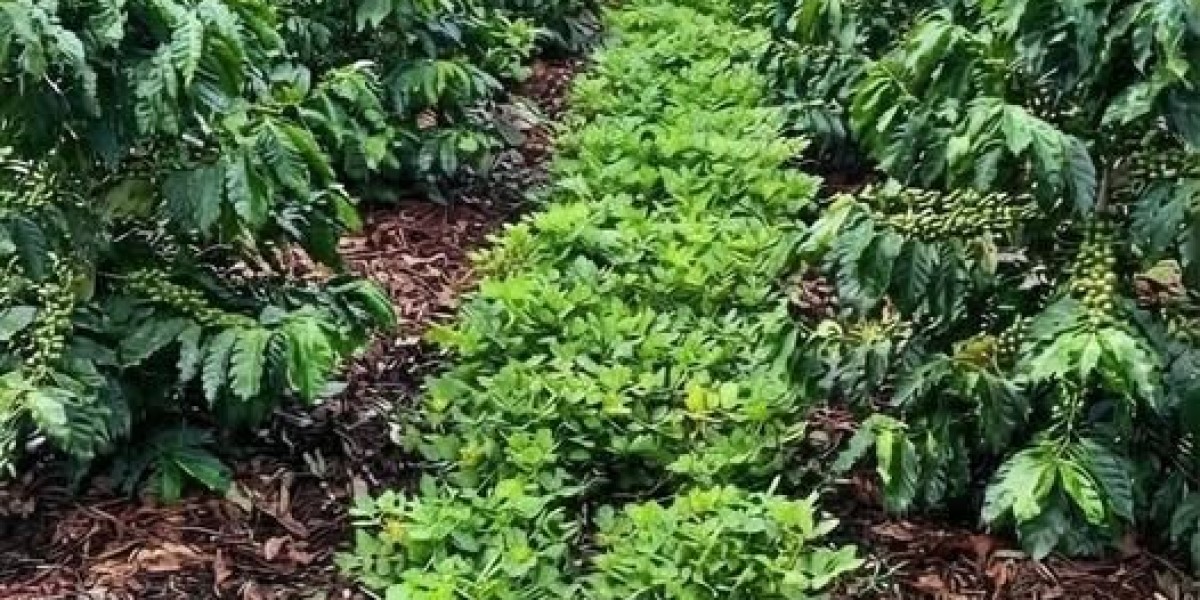
1. Maximum use of land – Farmers grow more than one crop on the same piece of land, increasing total production per unit of land.
2. Increased crop yields – Different crops use sunlight, water, and nutrients differently, allowing farmers to produce more food from the same field when crops are properly selected.
3. Improved soil fertility – Leguminous crops such as beans, peas, and groundnuts can fix nitrogen in the soil, benefiting associated crops and improving soil fertility over time
4. Control of pests and diseases – Crop diversity can interrupt the spread of certain pests and diseases, reducing crop losses.
5. Reduced risk of total crop failure – If one crop performs poorly because of drought, pests, or disease, the other crop may still produce a harvest.
6. Better weed control – Crops that cover the soil quickly can suppress weed growth, reducing competition for nutrients, water, and sunlight.
7. Increased farmers' income – Farmers can harvest and sell different crops, providing more than one source of income.
8. Improved food security – Growing different crops provides households with a variety of foods, including cereals, legumes, and vegetables.
9. Efficient use of resources – Crops with different rooting depths and growth habits can use soil nutrients, water, and sunlight more efficiently.
10. Reduced soil erosion – Ground-covering crops protect the soil from heavy rainfall and wind, helping preserve fertile topsoil.
11. Better distribution of farm labour – Different crops may require planting, weeding, and harvesting at different times, helping farmers spread their workload throughout the season.
12. Improved soil moisture conservation – Crops that provide ground cover reduce direct exposure of the soil to sunlight and wind, which can reduce moisture loss.