Loss of natural habitats
Clearing forests, cutting trees and expanding farmland can reduce the places where bees find nectar, pollen and suitable nesting sites.
2. Unpredictable weather
Droughts, heavy rains and changing flowering seasons can reduce nectar availability, affect colony health and lead to lower honey harvests.
Fear of bee stings and lack of skills
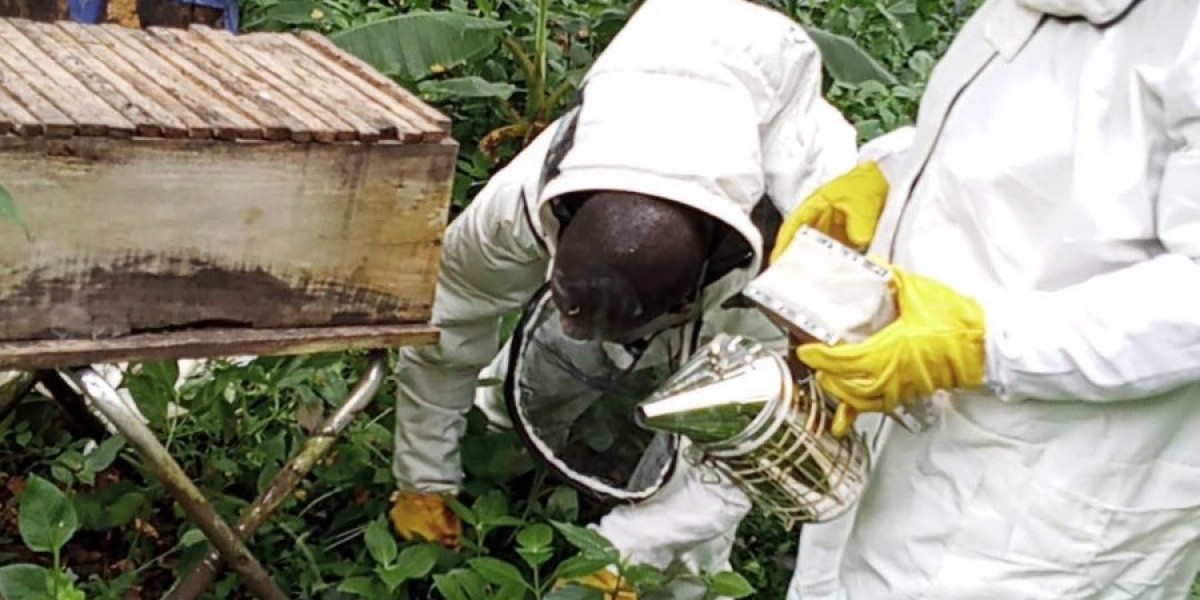
Some people fear stings, while others lack protective clothing, training and confidence in handling colonies safely.
4. Delayed income
Unlike crops that can be harvested within a few months, a new beekeeping operation may take months to generate a worthwhile honey harvest. Colony establishment and weather conditions affect the timing
5. Difficulties finding reliable buyers
Honey may be available, but producers can struggle with transport, packaging, quality standards, adulterated honey competing in the market and access to consistent buyers.
Is beekeeping still worth doing in Uganda?
Yes, it can be. Uganda's beekeeping sector still faces challenges, including declining honey yields in some areas, pesticide exposure, habitat loss and competition from imported honey. These issues were highlighted by Ugandan beekeepers and sector experts in 2024–2025.