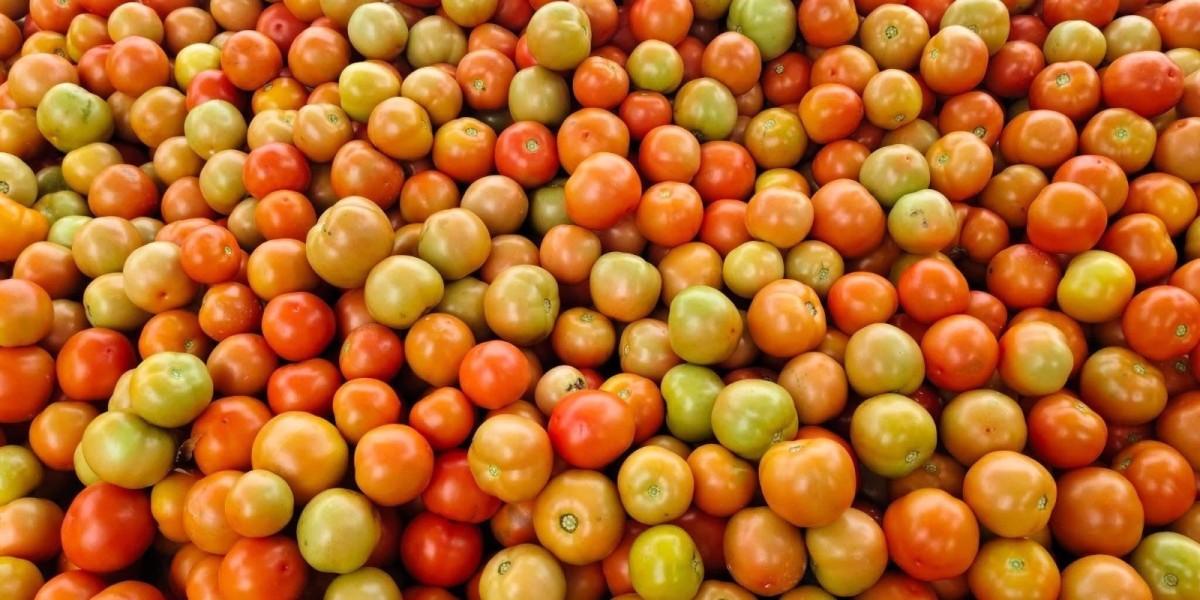
Most farmers get poor-quality tomatoes after harvesting because of the following reasons:
1. Poor harvesting methods: Rough handling of tomatoes during harvesting causes bruises and cuts.
2. Harvesting at the wrong maturity stage: Harvesting tomatoes when they are too young or overripe reduces their quality and shelf life.
3. Poor storage conditions: Storing tomatoes in hot places or in direct sunlight causes them to ripen quickly and spoil.
4. Poor transportation: Carrying tomatoes in unsuitable containers or over rough roads causes damage and bruising.
5. Overloading containers: Putting too many tomatoes in one container causes crushing of those at the bottom.
6. Pest and disease attacks: Tomatoes damaged by pests and diseases before harvesting may rot or deteriorate quickly afterward.
7. Poor sorting and grading: Mixing damaged, rotten, and healthy tomatoes reduces the quality of the produce sold.
8. Poor hygiene: Dirty harvesting tools, containers, and storage areas can contaminate tomatoes and encourage rotting.
9. Lack of proper packaging: Using unsuitable packaging materials exposes tomatoes to physical damage during handling and transportation.
10. Delayed marketing: Keeping harvested tomatoes for too long before selling them can lead to overripening and spoilage.
11. Poor ventilation: Storing tomatoes in poorly ventilated places encourages heat and moisture accumulation, which can speed up deterioration.
12. Lack of post-harvest knowledge: Some farmers lack the skills needed to handle, store, package, and transport tomatoes properly.
Conclusion: Farmers can improve tomato quality after harvesting by using proper harvesting methods, sorting carefully, using suitable packaging, maintaining good hygiene, and storing and transporting tomatoes under appropriate conditions.