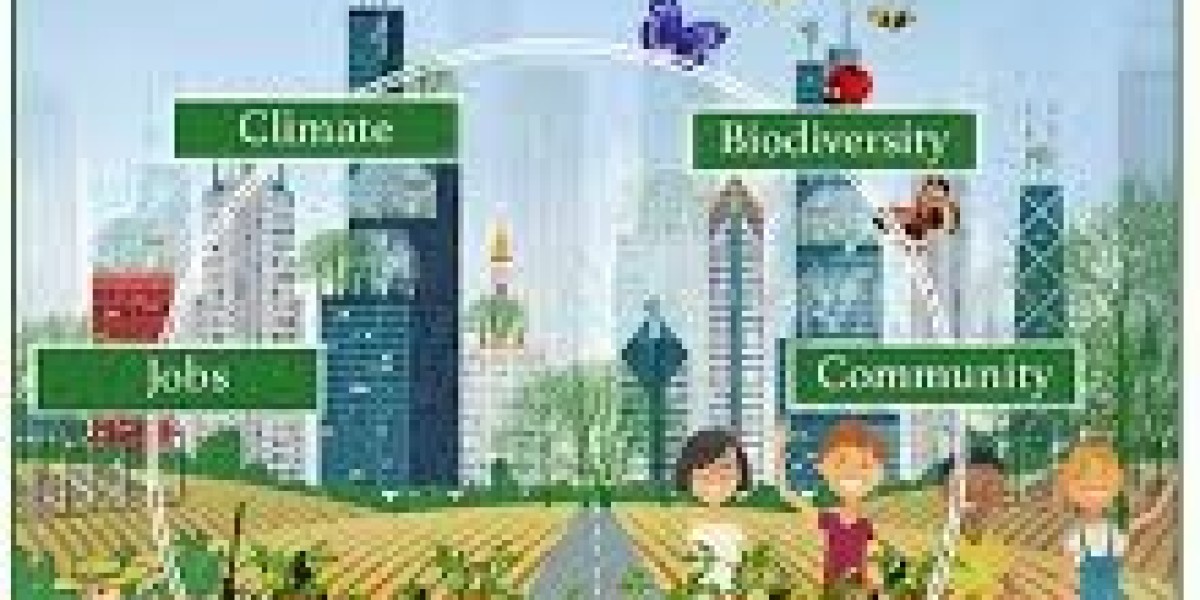
Improved Food Security and Nutrition:
Urban agriculture can increase access to fresh, healthy, and affordable food, especially for low-income communities.
It can supplement or replace commercially produced food, reducing reliance on distant supply chains.
Increased consumption of fruits and vegetables, often grown locally, can improve dietary diversity and reduce the risk of chronic diseases.
2. Environmental Sustainability:
Urban agriculture can reduce the carbon footprint of the food system by minimizing transportation and storage needs.
It can contribute to waste reduction by utilizing organic waste for composting and livestock feed.
It can promote biodiversity in urban areas by creating green spaces and supporting local ecosystems.
3. Economic Benefits:
Urban agriculture can create jobs and generate income for individuals and communities.
It can lower food costs for consumers, making healthy food more accessible.
It can revitalize local economies by supporting local farmers and businesses.
4. Social and Community Benefits:
Urban agriculture can foster social interaction and community engagement.
It can promote a sense of ownership and connection to the food system.
It can improve mental and physical health through gardening activities.
Urban agriculture can contribute to the beautification of urban areas and the creation of green spaces.
5. Promoting Resilience and Self-Sufficiency:
Urban agriculture can enhance the resilience of food systems to disruptions like climate change or economic instability.
It can empower communities to become more self-sufficient in food production.
It can promote a more localized and sustainable approach to food production and consumption.