
Building Climate Resilience Through Solar-Powered Irrigation in Northern Uganda | Prosper Global
Best practices for growing cabbage | Monitor
Harvesting rainwater gives Otuke farmers better yields | Monitor
Avoid planting when everyone else is planting. When many farmers harvest at the same time, market prices can fall.
Ask traders, market vendors, restaurants and produce dealers when cabbage demand is highest.
Stagger planting in sections, perhaps 1–2 weeks apart, so that you do not harvest everything at once.
If possible, arrange buyers before investing in seed, fertilizer and labour.
2. Increase the number of marketable cabbages
Your profit depends on how many good-sized cabbages you can sell, not simply how many plants you grow.
Use good-quality seed suited to your location and season.
Raise healthy seedlings and transplant them at the right stage.
Maintain appropriate spacing so heads can grow well.
Apply well-rotted manure and fertilizer according to soil needs.
Water consistently, especially during head formation.
Monitor pests and diseases regularly and use approved treatments according to their labels.
Harvest at the right maturity, before heads split or deteriorate.
Important: Do not spend heavily on fertilizer or pesticides without checking whether the extra yield will pay for the cost.
Log in
You said:
ChatGPT said:
How to earn more money from growing cabbages ?
If you want to make more money growing cabbages in Uganda, the secret is not just growing more cabbages — it is growing them at a lower cost, harvesting when prices are good, and finding buyers before you plant.
Here are the best ways to improve your profits.
1. Choose the right time to plant
Building Climate Resilience Through Solar-Powered Irrigation in Northern Uganda | Prosper Global
Best practices for growing cabbage | Monitor
Harvesting rainwater gives Otuke farmers better yields | Monitor
Avoid planting when everyone else is planting. When many farmers harvest at the same time, market prices can fall.
Ask traders, market vendors, restaurants and produce dealers when cabbage demand is highest.
Stagger planting in sections, perhaps 1–2 weeks apart, so that you do not harvest everything at once.
If possible, arrange buyers before investing in seed, fertilizer and labour.
2. Increase the number of marketable cabbages
Your profit depends on how many good-sized cabbages you can sell, not simply how many plants you grow.
Use good-quality seed suited to your location and season.
Raise healthy seedlings and transplant them at the right stage.
Maintain appropriate spacing so heads can grow well.
Apply well-rotted manure and fertilizer according to soil needs.
Water consistently, especially during head formation.
Monitor pests and diseases regularly and use approved treatments according to their labels.
Harvest at the right maturity, before heads split or deteriorate.
Important: Do not spend heavily on fertilizer or pesticides without checking whether the extra yield will pay for the cost.
3. Sell to buyers who pay better
New pipeline carrying Ugandan oil gets a mixed reception - CSMonitor.com
Warzywa.pl - Jeśli nie Rybitwy, to co? Jaka giełda stanie się centrum handlu w Małopolsce?
Desde el Campo | Cooperativa Coogranada
DOB Equity
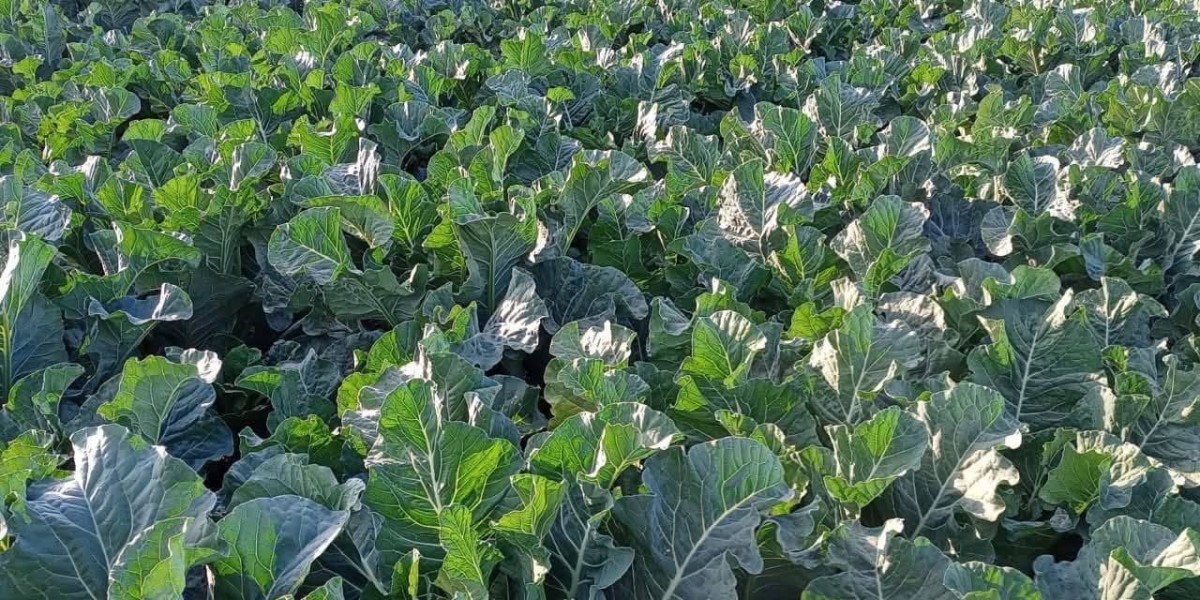
Tons Of Cabbage
Young South Sudanese entrepreneurs rise from the refugee settlements | Uganda | World Vision International
TOUGHMA RZ F1 | White cabbage | Vegetable seeds | Rijk Zwaan
uganda_arne_hoel_world_bank.jpg | Office of the High Representative for the Least Developed Countries, Landlocked Developing Countries and Small Island Developing States
Temporada de coles – Repollo | Mercado Central
Do not depend on only one buyer. Compare prices and transport costs from several options:
Wholesale traders: useful when you have many cabbages to sell quickly.
Retail market vendors: may pay more per head but require more time and deliveries.
Restaurants, hotels and schools: can provide repeat orders if you supply consistent quality.
Supermarkets and grocery shops: may offer a market for clean, uniform cabbages, subject to their requirements.
If you are selling around Kampala, you could investigate demand at Nakawa Market or Kalerwe Market. Ask several traders what size they want and their buying price before deciding where to sell.
For additional practical advice, Uganda's farming publications discuss cabbage varieties, production costs and seasonal prices. See New Vision's cabbage farming guide and Farming Uganda's production guide .
4. Calculate your profit before planting
Here is an example for a hypothetical cabbage crop. These are illustrative figures, not a forecast of current market prices.
Item
Example
Cabbages planted
2,000
Cabbages successfully sold
1,600
Average selling price per head
UGX 1,000
Total sales revenue
UGX 1,600,000
Total production and selling costs
UGX 900,000
Estimated profit
UGX 700,000
The formula is:
Profit = Total sales revenue − All costs
Include seed, nursery preparation, manure, fertilizer, pesticides, labour, irrigation, transport, market fees and land costs. Also account for damaged or unsold cabbages.
In this example, selling 200 additional cabbages at UGX 1,000 each, with no change in price, would add UGX 200,000 in revenue before any extra harvesting or selling costs.
5. Reduce losses after harvesting
Harvest only when the heads are firm and ready for the market.
Keep harvested cabbages shaded while waiting for transport.
Handle them carefully to avoid bruising and splitting.
Organize transport before harvesting a large quantity.
Where possible, harvest to match confirmed orders rather than cutting the whole garden at once.
6. My recommended strategy
For a small or medium-sized farm, I would focus on these three priorities:
Grow a variety that performs well in your area and meets your buyers' preferred head size.
Find at least two reliable buyers before planting.
Plant in stages and keep accurate records of costs, harvests and selling prices.
This helps you manage both production risks and price fluctuations.


