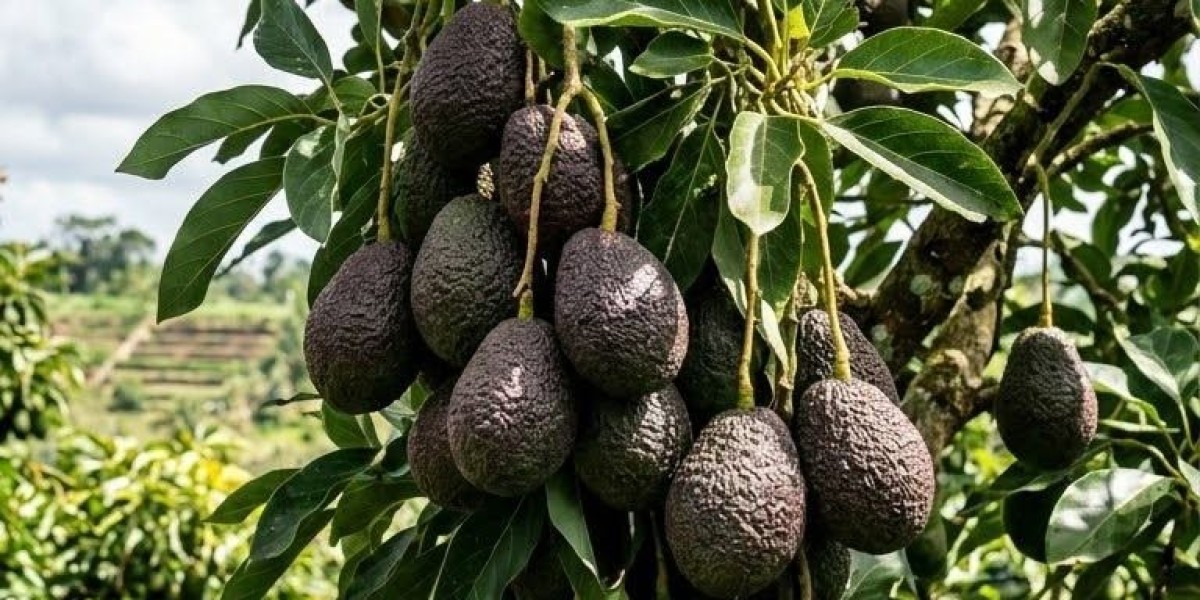
Reasons why some avocado spices don't sell alot in the market | #avocado
תגובה
לַחֲלוֹק




Reasons why some avocado spices don't sell alot in the market | #avocado
Why is bee keeping nolonger as popular as it was before | #bees
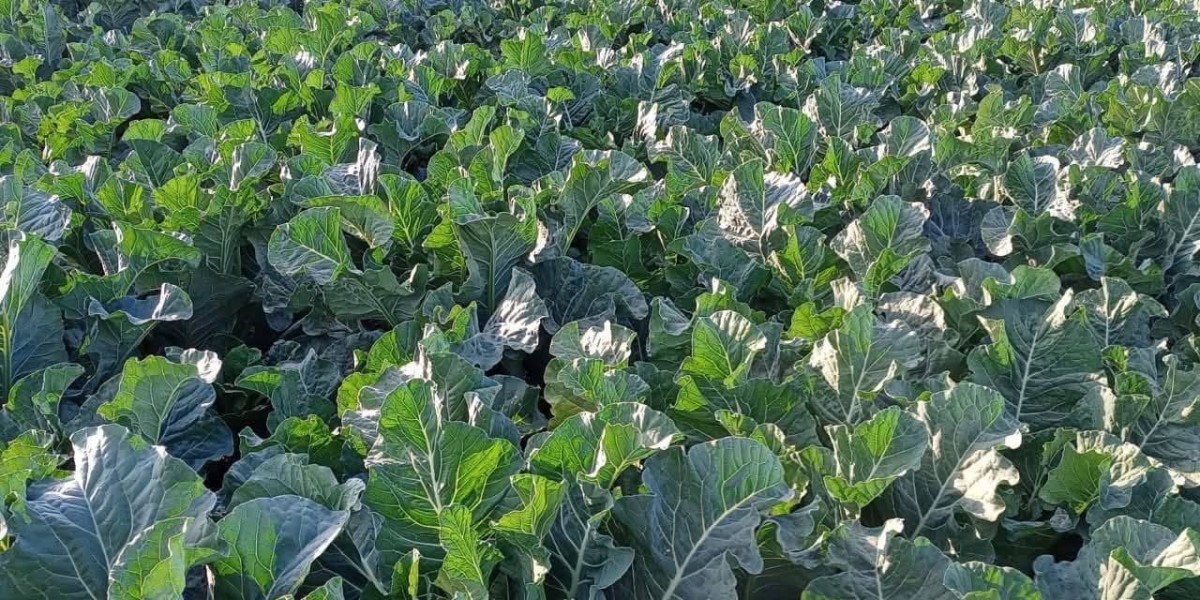
How to earn more money from growing cabbages in uganda | #cabbages
TIPS ON ESTABLISHING A COFFEE GARDEN
There are two types of coffee – Robusta and Arabica. Robusta grows in low altitude areas and Arabica in high altitude areas. Below are tips on how to ensure you establish a coffee garden.
Spacing: The spacing between Robusta plants is 10 feet by 10 feet and between Arabica ones is 8 feet by 8 feet.
Dig right size holes – 2 feet long x 2 feet wide x 2 feet deep.
While digging holes: heap the top soil on one side and bottom soil on another side.
Add manure to the dug-out soil and return it into the holes.
Mark the center of the holes and leave them for 2 – 3 months before planting.
Obtain coffee plantlets from Certified Coffee Nurseries.
During the planting season, plant very early in the morning or late in the evening.
Remove the polythene pot cover before planting the seedling/cutting.
Provide temporary shade to the newly planted coffee plantlets and water in case of water stress. Water conservation channels/bands are important in coffee.
When the coffee plantlets have attained a height of about 11/2 foot or 6 – 9 months after planting, they should be trained (bent in an east to west direction i.e. sunrise to sunset direction) to initiate multiple branches from which the lowest and most healthy 2 are selected and maintained together with the original plantlet. This ensures higher yield and profitability per tree.
The coffee garden should always be mulched and “weed free”
Beans and bananas are good intercrops for coffee.
Continuous de-suckering of the coffee plants should be practiced in order to prevent development of a micro climate that encourages pests such as Black Coffee Twig Borer (BCT.
At maturity, harvest only the red-ripe cherry and dry it immediately on tarpaulins, raised platforms or cemented floor to preserve its good quality.

Reduced Risk of Crop Loss: The dry season is generally characterized by less rainfall, which helps to reduce the chances of crop failure due to floods or excessive rainfall.
2. Lower Cost of Production: Since there is less water requirement during this period, farmers can reduce the cost of production. This also helps them to save on water, labour and other inputs.
3. Improved Soil Health: With less water, the soil can absorb more nutrients, which helps to improve its health and fertility. This leads to better crop growth and better yields.
4. Reduced Pest and Disease Pressure: The dry season provides an environment that is not favourable for pests and diseases, thereby reducing the chances of crop damage.
5. More Time for Other Activities: The dry season provides farmers with more time to engage in other activities such as livestock rearing, beekeeping and other income generating activities.